

Preventing Sports Injuries with Massage Therapy
Injuries can disrupt your daily routine and athletic goals. Whether you spend long hours at a desk or push your limits in endurance sports, your body needs care to stay strong and resilient. One of the most effective ways to support your muscles and joints is through injury-preventive massages. These massages not only soothe tired muscles but also prepare your body to handle physical stress better, reducing the risk of injury.
Let me guide you through how injury-preventive massages work, why they matter, and how you can incorporate them into your routine for lasting benefits.
Understanding Injury-Preventive Massages
Injury-preventive massages focus on maintaining muscle health and flexibility before any damage occurs. Unlike massages that target pain after an injury, these sessions aim to keep your body in optimal condition. They improve blood flow, reduce muscle tension, and enhance recovery times.
For office workers, prolonged sitting often leads to tight hips, stiff shoulders, and lower back discomfort. Injury-preventive massages help release this tension, improving posture and reducing discomfort. For endurance athletes, these massages address muscle imbalances and tightness that develop from repetitive movements, helping to prevent strains and overuse injuries.
By regularly scheduling injury-preventive massages, you create a proactive approach to your well-being. This care supports your muscles and joints, making them more resilient to the demands of your daily activities or training sessions.
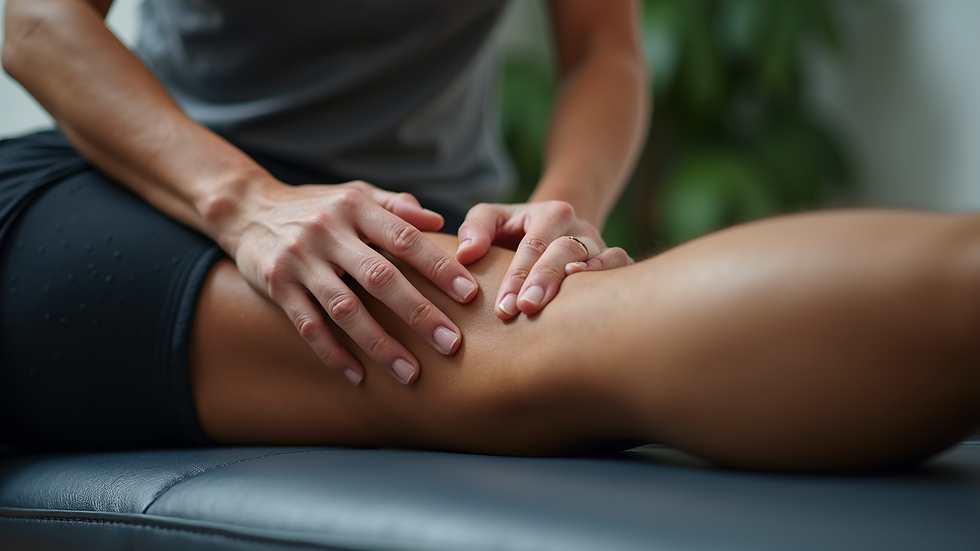
How Injury-Preventive Massages Support Your Body
The benefits of injury-preventive massages go beyond simple relaxation. Here’s how they actively protect your body:
Improved Circulation: Massages increase blood flow to muscles, delivering oxygen and nutrients essential for repair and growth.
Reduced Muscle Tension: Tight muscles are more prone to injury. Massage helps release knots and stiffness, improving flexibility.
Enhanced Range of Motion: Looser muscles and joints allow for better movement, reducing the risk of strains.
Faster Recovery: Massage speeds up the removal of metabolic waste products, helping muscles recover quicker after exercise or long periods of sitting.
Stress Reduction: Lower stress levels decrease muscle tightness and promote overall well-being.
For example, after a long day at the office, a massage focusing on the neck, shoulders, and lower back can relieve tension that builds up from poor posture. For athletes, targeted massage on frequently used muscle groups like hamstrings or quadriceps can prevent small issues from becoming serious injuries.
What are examples of injury prevention?
Injury prevention involves a combination of strategies, and massage therapy is a key part of this holistic approach. Here are some practical examples:
Pre-Event Massage: A light, stimulating massage before exercise warms up muscles and prepares them for activity.
Post-Event Massage: Gentle massage after exercise helps reduce soreness and flush out toxins.
Regular Maintenance Massage: Scheduled sessions maintain muscle health and prevent tightness from building up.
Targeted Therapy: Focusing on specific problem areas such as IT bands, calves, or shoulders to address imbalances.
Stretching and Mobility Work: Combined with massage, this improves flexibility and joint function.
Ergonomic Adjustments: For office workers, adjusting seating and desk setup reduces strain and complements massage benefits.
By integrating these practices, you create a strong foundation that supports your body’s natural ability to heal and stay injury-free.

How to Incorporate Injury-Preventive Massages into Your Routine
Consistency is key when it comes to injury prevention. Here’s how you can make injury-preventive massages a regular part of your life:
Schedule Regular Sessions: Aim for a massage every 3 to 4 weeks, or more frequently during intense training periods.
Communicate Your Needs: Let your therapist know about any areas of discomfort or tension so they can tailor the session.
Combine with Self-Care: Use foam rollers, stretching, and hydration to support the effects of massage.
Listen to Your Body: If you notice tightness or discomfort, book a session sooner rather than later.
Choose a Specialist: Work with a therapist experienced in sports massage and injury prevention to get the best results.
For those balancing office work and endurance sports, this approach helps manage the unique stresses your body faces. It’s a simple yet powerful way to stay ahead of potential injuries.
If you want to explore professional options, consider sports injury prevention massage services that focus on your specific needs.
The Long-Term Benefits of Injury-Preventive Massages
Investing in injury-preventive massages pays off in many ways over time. You’ll notice:
Improved Performance: With muscles functioning optimally, you can train harder and recover faster.
Reduced Pain and Discomfort: Regular care helps manage chronic tension and prevents flare-ups.
Greater Body Awareness: Massage helps you tune into your body’s signals, encouraging smarter training and movement choices.
Enhanced Mental Well-Being: The calming effects of massage reduce stress and improve focus.
Sustained Mobility: Keeping muscles and joints flexible supports long-term health and independence.
By making injury-preventive massages part of your lifestyle, you create a foundation for lasting health and vitality. This proactive care supports both your daily comfort and your athletic ambitions.
Taking the Next Step Toward Better Well-Being
Your body deserves attention and care every day. Injury-preventive massages offer a gentle, effective way to protect yourself from pain and injury. Whether you’re sitting at a desk or training for your next endurance event, these massages help you stay balanced, flexible, and strong.
If you’re ready to experience the benefits firsthand, consider booking a session with a trusted mobile sports massage therapist. They bring expert care directly to you, making it easier than ever to prioritise your health.
Remember, prevention is always better than cure. Start your journey with injury-preventive massages today and enjoy a healthier, more resilient body tomorrow.


Comments